A photograph taken in a small gallery in Lyon can sell to a collector in Seoul before the print even leaves the frame shop. Art auctions have gone thoroughly global, and the paperwork behind every cross-border sale has quietly become as important as the artwork itself.
Auction Houses Are No Longer Regional
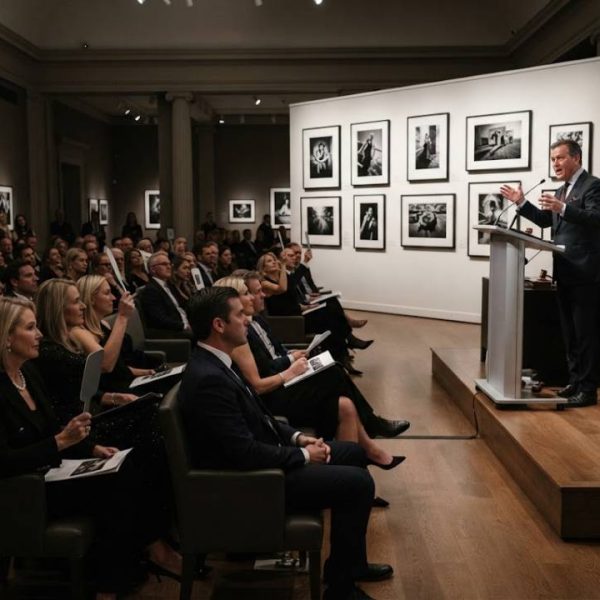
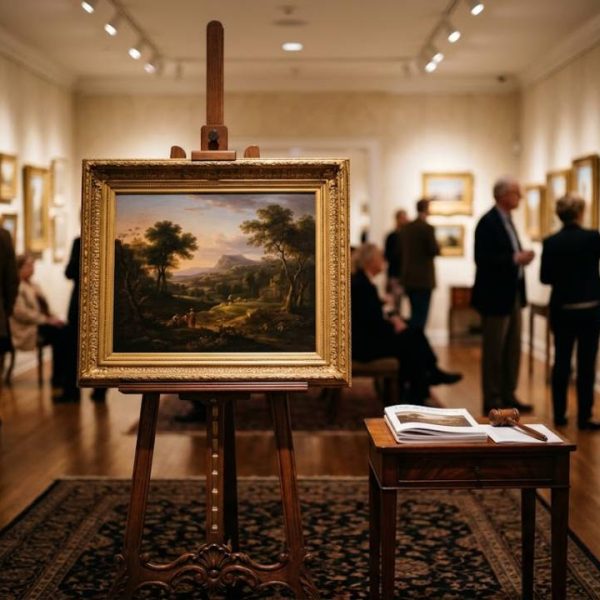
Online bidding platforms have opened major auctions to buyers anywhere with an internet connection, which means a single photography sale might attract serious bids from a dozen countries. That reach is good for sellers chasing the best possible price, but it also means auction catalogs, provenance documents, and sale terms need to work across languages, not just the auction house's home market.
Why Provenance Documents Cannot Be Loosely Translated
A piece's provenance, the documented history of its ownership, is what protects both buyer and seller from disputes over authenticity and legal title. When that documentation exists only in the original language, international buyers understandably want a translated version they can trust completely, since a vague or inaccurate provenance translation can create real doubt about a piece's legitimacy.
Where Certified Translation Enters the Picture
High-value sales increasingly involve certified translation services for provenance records, sale contracts, and export documentation, particularly when a piece is crossing borders and customs authorities need to review accompanying paperwork. A certified translation gives all parties, including customs officials, confidence that the documents accurately reflect the originals.
French Auction Houses Set the Pace
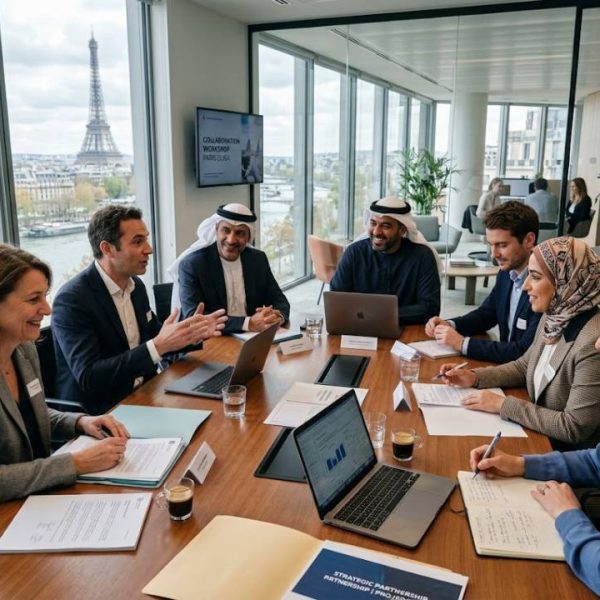
France remains one of the most influential markets for photography and fine art auctions, and international buyers navigating French sale terms often rely on english to french translation services to communicate directly with sellers and auction staff, especially during the negotiation window before a formal bid is placed.
How Auction Houses Manage Multilingual Catalogs
Larger auction houses now use a proper translation platform to manage catalog translations across several languages simultaneously, keeping lot descriptions, condition reports, and estimated values consistent no matter which language a bidder is browsing in. Consistency matters here because a discrepancy between language versions can create confusion right at the moment a buyer is deciding how much to bid.
Digital Previews Have Raised the Stakes
Buyers now form their purchase decisions almost entirely from digital catalog images and translated condition reports before ever seeing a piece in person, particularly for international bidders who cannot easily travel to view a lot ahead of the sale. That shift puts enormous pressure on translated condition reports to be exact, since a buyer relying on a translation to gauge a print's physical state has no other way to catch an overstated or understated description before placing a bid.
Insurance and Shipping Add Another Layer
Once a sale closes, the piece still needs to cross a border safely, which means insurance documents, customs declarations, and shipping paperwork all require accurate translation too. A misdescribed value or an incorrectly translated customs code can delay a shipment for weeks or trigger unexpected import duties, turning a smooth transaction into a logistical headache well after the gavel has already fallen.
Auction houses selling to global buyers have learned that a catalogue entry is a legal description as much as a piece of persuasion. The same precision problem appears wherever specialist vocabulary crosses a language boundary and the stakes are high. Scientific fields feel it most acutely, and few more than genetic engineering, where a mistranslated term in a patent filing can cost years of work.
What Buyers Should Watch For
Experienced international buyers know to request the original-language documents alongside any translation, rather than relying on the translation alone, giving their own advisors a chance to independently verify accuracy before a major purchase. Reputable auction houses generally welcome this kind of scrutiny, since it protects their own reputation as much as the buyer's investment.
Building Trust With First-Time International Buyers
New collectors bidding internationally for the first time often feel more comfortable once they see a translated dossier that mirrors the original documents section by section, rather than a loose summary. Auction houses that invest in this kind of thorough documentation tend to build repeat business from international buyers, since trust built during a first purchase is usually what brings a collector back for the next one.
The Photography Market's Unique Challenges
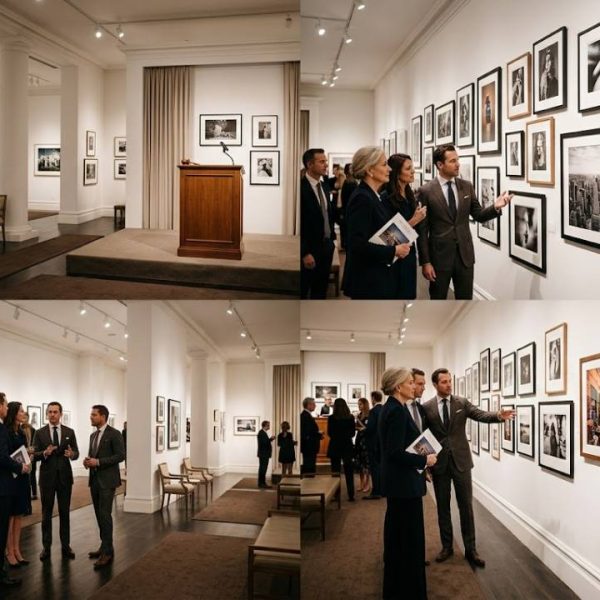
Photography auctions carry an extra layer of complexity because edition numbers, printing techniques, and darkroom provenance need precise terminology that does not always translate cleanly between languages. A translator without photography expertise can easily misstate whether a print is a vintage print or a later edition, a distinction that dramatically affects value. Specialist translators who understand photographic terminology are increasingly in demand at major auction houses for exactly this reason.
As the art market keeps expanding across borders, the quiet work of getting documentation right in every language a sale touches has become just as essential to a successful auction as the artwork on the wall itself, and buyers are increasingly aware of that fact when deciding where to place their trust and their money.